The prototype works on one laptop only
03 / Services / Cloud / Production
AWS Serverless AppsSoftware that stays up.
Serverless applications on AWS that combine Lambda functions, event sources, APIs and databases, defined with the AWS Serverless Application Model (SAM).

01 / The problem
What usuallygets in the way.
Turn prototypes into maintainable applications on AWS, GCP or Azure, with infrastructure as code, CI/CD and observability.
Deployments are manual and scary
No visibility into errors, latency or spend
02 / What I build
What you get.
- Containerised services and infrastructure as code
- CI/CD pipelines with tests and preview environments
- Logging, metrics, alerts and cost guardrails
03 / How it works
From commit to observed production
A typical architecture for this kind of work. Scroll to follow the flow, or hover a stage for detail.
Code
Reviewed changes with tests alongside.
CI/CD
Build, test and deploy on every merge.
Containers
The same image runs locally and in the cloud.
Cloud runtime
Managed services sized for real load.
Observability
Logs, traces and alerts on what users feel.
Cost controls
Budgets and scaling rules to avoid surprises.
04 / In depth
The details.
WHAT IS AN AWS SERVERLESS APP?
The AWS Serverless Application Model (SAM) is an open-source structure utilized by a full-stack javascript app developer or a remote angular app developer for building serverless applications. A serverless application is a mix of Lambda capacities, event sources, and other resources that work together to perform tasks. It provides shorthand syntax to express functions, APIs, databases, and event source mappings. During deployment, SAM changes and grows the SAM syntax into AWS CloudFormation syntax, empowering you to assemble serverless applications quicker.
Building a serverless application allows you to focus on your application code instead of managing and operating infrastructure. You don’t need to consider provisioning or arranging servers since AWS handles this for you.
WHAT ARE THE BENEFITS OF AN AWS SERVERLESS APP?
•High accessibility: Services run by the AWS Serverless Platform have an underlying adaptation to internal failure and accessibility. The full-stack javascript app developer doesn’t have to architect for these capabilities since the services running the application provide them by default.
•Flexible scaling: Applications made through AWS can be scaled automatically. This is done by manipulating the units of consumption (such as memory) rather than toggling any server settings or units of individual servers.
•No server management: The AWS Serverless services require no server management. This implies there is no product or server to install, manage, or control.
•No idle capacity: An advantage to serverless applications made through AWS is that there is no idle capacity. To state simply, there is no charge when your code isn’t running.
WHY WOULD YOU NEED AN AWS SERVERLESS APP?
For some full-stack javascript app developers or remote angular app developers, serverless structures offer greater scalability, more flexibility, and quicker time to release, all at a reduced cost. They don’t have to stress over buying, provisioning, and overseeing backend servers. As a client with serverless processing, your application still runs on servers, however, all the server management is finished by AWS. This reduces your infrastructure management burden and helps you get faster time to market…
Get a Quote05 / Tech stack
Tools I usefor this work.
- AWS
- GCP
- Azure
- Docker
- Kubernetes
- Terraform
- Next.js
- FastAPI
More in Cloud / Production
06 / Related work
Proof,not promises.
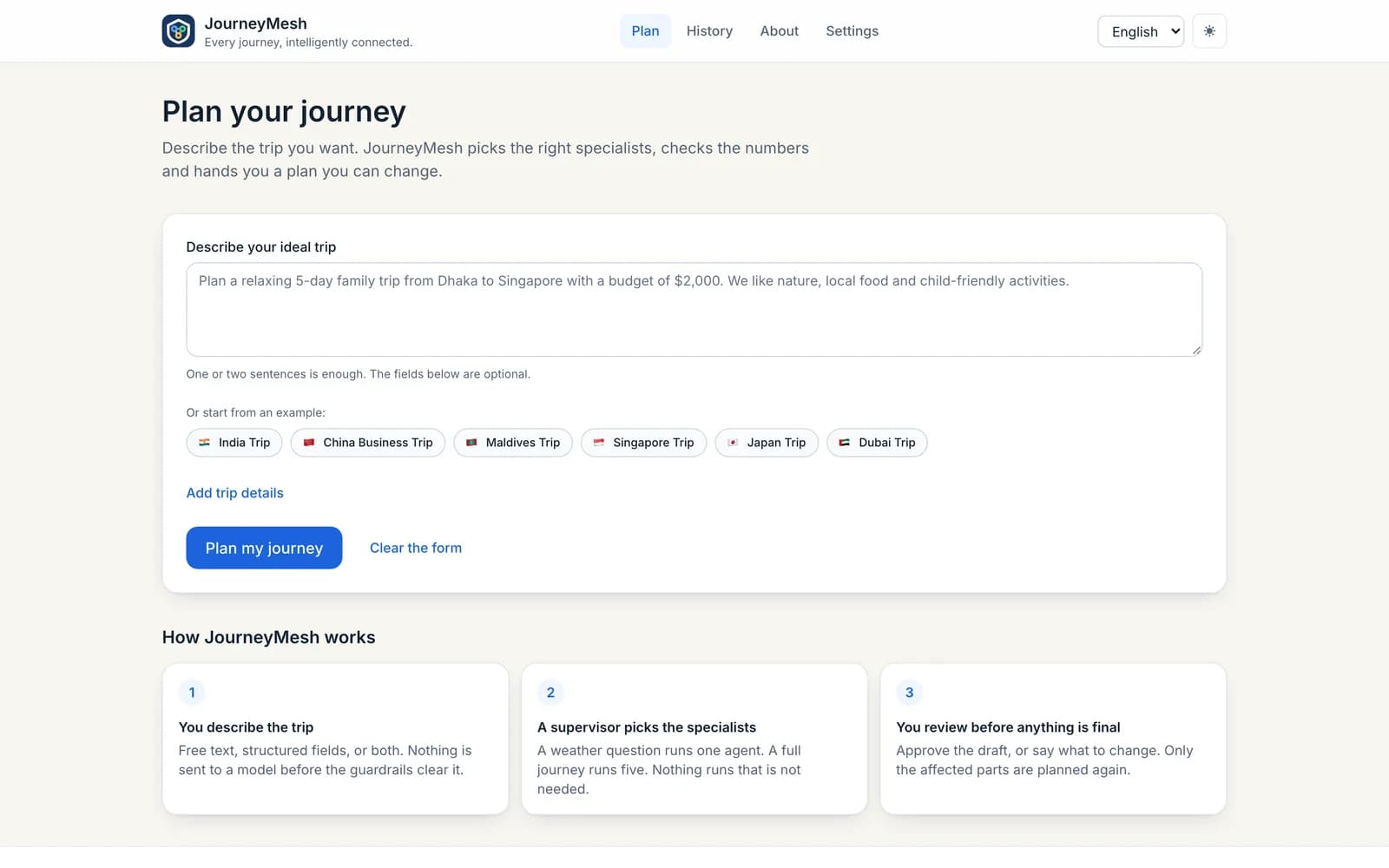
Project screenshotApplication interface
JourneyMeshMulti-Agent AI Travel Planner LangGraph + MCP + LLMOps
Supervisor-routed multi-agent travel planning with guardrails, evaluation and human review
- Python
- LangGraph
- LangChain
- MCP
- +8
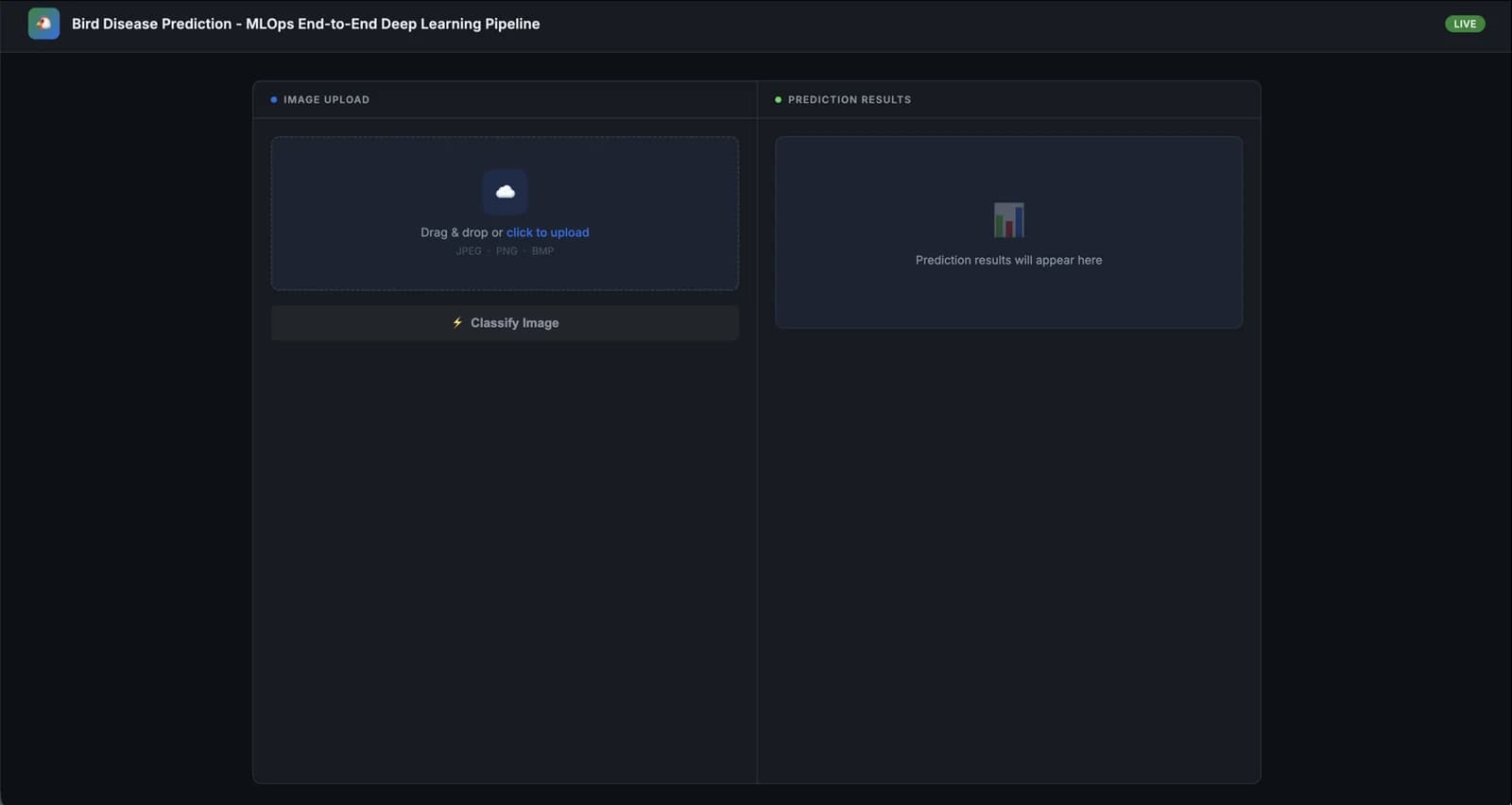
Project screenshotApplication interface
Bird Disease PredictionEnd-to-End MLOps Deep Learning
End-to-End MLOps Deep Learning Pipeline for Computer Vision CNN Training | Transfer Learning | Production Deployment
- Docker
- CI/CD
- REST
- Computer Vision
- +1
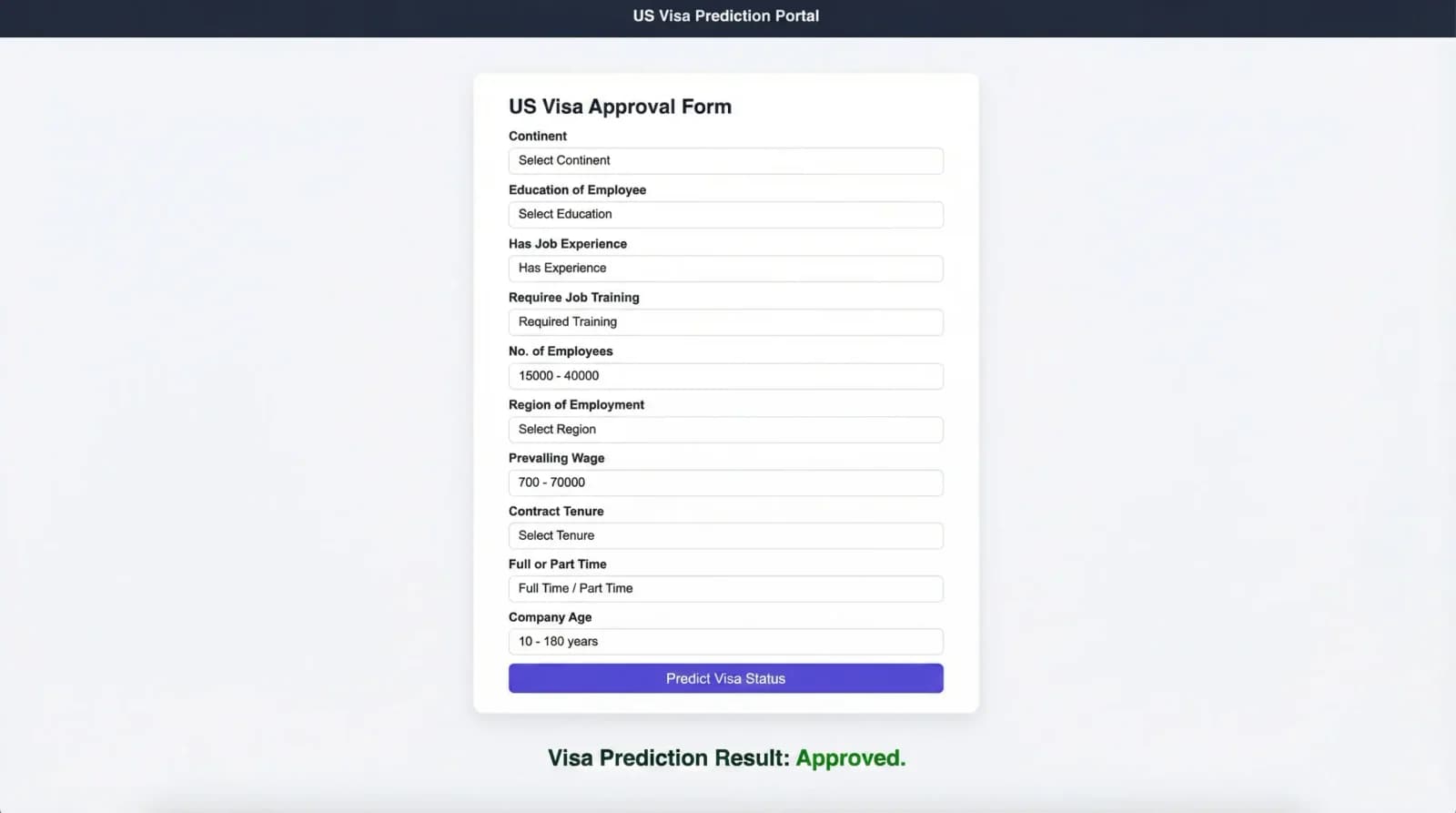
Project screenshotApplication interface
End-to-End MLOps ClassificationAWS + FastAPI + CI/CD
End-to-End MLOps Pipeline with CI/CD & Production Monitoring Data Ingestion → Training → Deployment → Monitoring
- FastAPI
- Docker
- CI/CD
- GitHub Actions
- +4
Cloud / Production
Need AWS Serverless Apps?Let’s scope it together.
Tell me about the goal, the data and the constraints. I’ll reply with questions and a practical first step.